This post contains affiliate links. If you book through them, we may earn a small commission at no extra cost to you. Read our full Affiliate Disclosure.
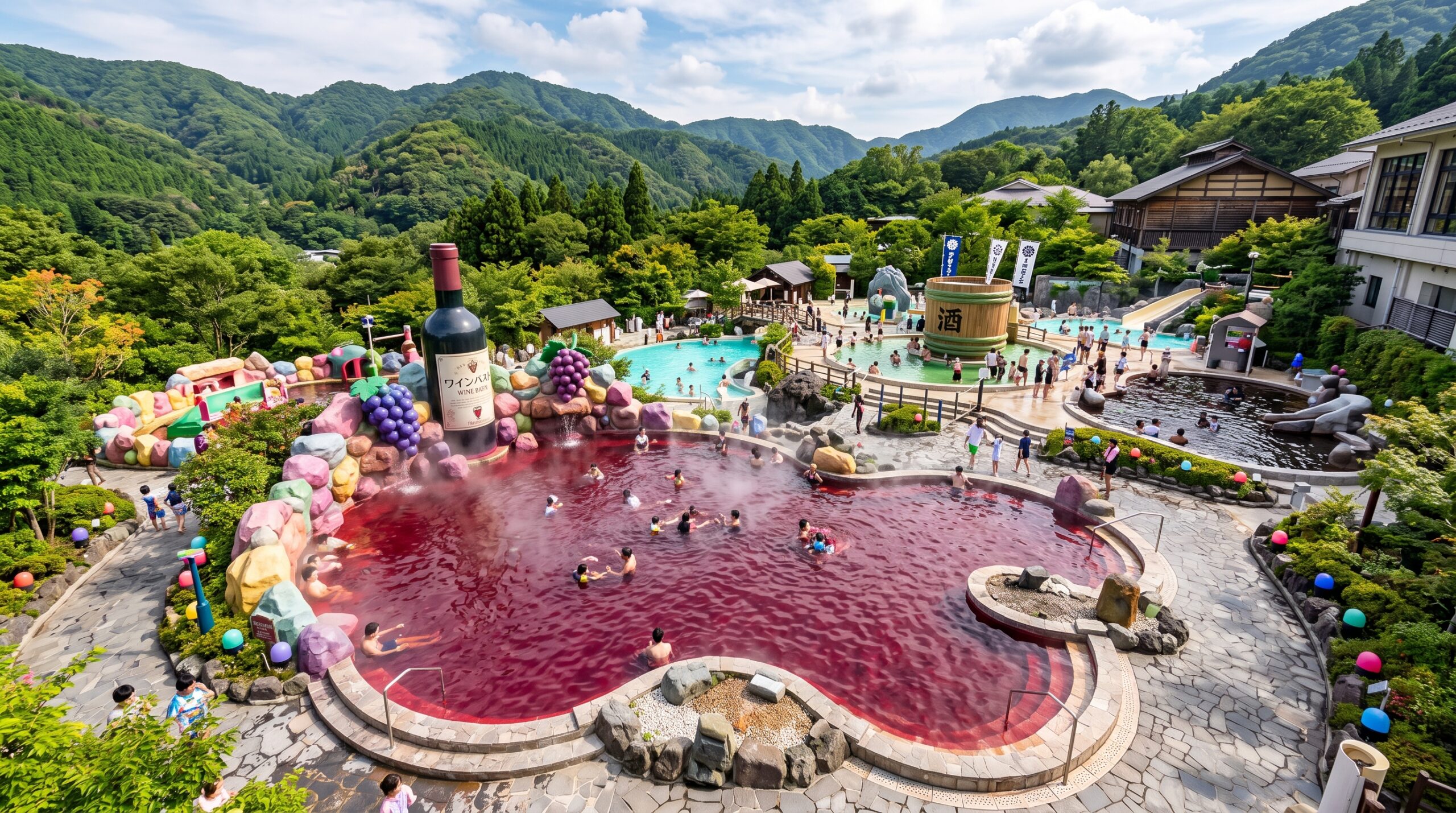
Hakone Kowakien Yunessun is unlike anything else on this site, and honestly, unlike most onsen facilities in Japan. It’s one of Hakone’s best-known attractions for a reason: it’s part hot spring, part water park, and it draws a genuinely international crowd — on any given visit, you’ll hear as much English, Chinese, and Korean around the pools as Japanese. If you’re traveling with kids, or you want something more playful than a traditional quiet soak, this is the Hakone stop that delivers.
A Reputation Built Over Two Decades
Yunessun has been operating since the early 2000s, and in that time the novelty baths — the wine bath in particular — have become genuinely iconic, showing up in Japanese travel media and word-of-mouth recommendations well beyond Hakone itself. That long track record is part of why it draws such a mixed, international crowd today; it’s built a reputation as one of the must-see stops in the area, not just a niche local attraction.
Two Very Different Sides of the Same Facility
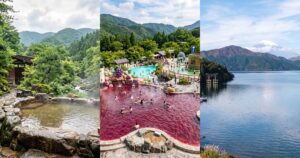
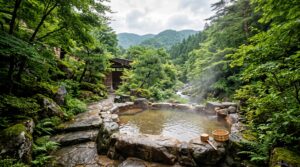
Yunessun is really two facilities in one. The main Yunessun area is a swimsuit-required, theme-park-style zone with a range of themed pools that have made it famous well beyond Hakone — the wine bath and coffee bath are the two most photographed, but there are several others that rotate seasonally. It’s colorful, a little silly, and genuinely fun in a way that a traditional onsen isn’t trying to be. The separate Mori-no-Yu area, by contrast, is a more conventional Japanese-style garden onsen where bathing is done nude and gender-separated, the way you’d expect at a typical hot spring facility.
Something for Every Age
What struck me most on my visits is how well this place works across age groups. Kids are entertained by the novelty pools and the general water-park energy, while adults who want a quieter, more traditional soak can head over to Mori-no-Yu without leaving the property. It’s a rare facility that genuinely satisfies both halves of a multi-generational trip.
Hours and Admission
Yunessun (the swimsuit area) typically runs from around 9:00 to 19:00, sometimes opening earlier during peak season — hours shift seasonally, so it’s worth checking the current schedule before you go. Mori-no-Yu generally runs 11:00 to 20:00, with last entry around 19:30. Pricing uses a variable, calendar-based system with different rates depending on the day:
- Combined pass (Yunessun + Mori-no-Yu): adults roughly ¥3,500–¥4,000, children roughly ¥1,800–¥2,000
- Yunessun only: adults roughly ¥2,500–¥3,000, children roughly ¥1,400–¥1,700
- Mori-no-Yu only: adults roughly ¥1,500–¥1,800, children roughly ¥1,000–¥1,200
These are only rough guides — treat the official site’s current pricing page as the final word before you go, since the calendar-based system changes rates fairly often. Discounts are available for seniors and visitors with disabilities, and children under 2 enter free.
Tips for Visiting
Yunessun gets busy, especially on weekends, national holidays, and during school breaks, so if you want to avoid the biggest crowds, aim for a weekday visit or arrive close to opening. Lockers, towel rental, and swimsuit rental are all available on-site, so you don’t need to over-pack for the visit. Because the main area involves a lot of moving between pools, water shoes (available for rent) are worth considering if you have sensitive feet.
Access
From Hakone-Yumoto Station, the Hakone Tozan Bus (Hakone-machi line) gets you to the Kowakien stop in about 20 minutes.
Booking
Because Yunessun is a day-use activity rather than a hotel, it’s booked differently than the ryokan and hotels covered elsewhere on this site. It’s well represented on activity-focused platforms like Klook and KKday, often with a modest discount over gate price, plus advance tickets through Jalan’s activity booking service. It generally isn’t listed on hotel-focused platforms like Booking.com, which makes sense given what kind of facility it is.
What to Bring
Unlike a traditional onsen, you’ll need a swimsuit for the main Yunessun area (available for rent or purchase on-site if you forget one). For Mori-no-Yu, standard nude bathing etiquette applies — shower and rinse before entering, no towels in the water.
Frequently Asked Questions
Do I need to book Yunessun tickets in advance?
It’s not always required, but booking through Klook or KKday ahead of time can save you waiting in line at the gate, especially during busy periods, and often comes with a small discount.
Can I visit both Yunessun and Mori-no-Yu in one trip?
Yes, the combined pass covers both areas, which is worth it if you want the playful swimsuit pools and a more traditional soak in the same visit.
Is Yunessun suitable for very young children?
The themed pools and general water-park atmosphere tend to work well for kids, though depths and specific age restrictions vary by pool, so it’s worth checking current rules for younger children when you arrive.
Are tattoos allowed at Yunessun?
Policies at Japanese bathing facilities vary and change over time; it’s worth checking Yunessun’s current tattoo policy on their official site before your visit if this applies to you.
Ready to book? Compare live rates and availability for Hakone hotels on ZenHotels. As an affiliate, we may earn a commission on bookings made through this link, at no extra cost to you. Check current prices on ZenHotels →
More Hakone Reviews
- Hakone Day-Trip Onsen: 3 Options Without Booking a Room, comparing this facility with two other day-use spots
- Hakone Sengokuhara Prince Hotel, a quieter, more traditional hotel option nearby
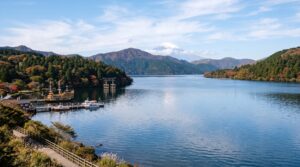
- Hakone-en, another family-friendly Hakone stop, on the shore of Lake Ashi
Who Yunessun Is For
This is the pick for families, groups of friends, or anyone who wants a fun, high-energy day out rather than a quiet, contemplative soak. If you only have time for one “just for the experience” stop in Hakone, the novelty baths here are hard to replicate anywhere else in Japan.

コメント