This post contains affiliate links. If you book through them, we may earn a small commission at no extra cost to you. Read our full Affiliate Disclosure.
Affiliate disclosure: This post contains affiliate links. If you book through them, we may earn a commission at no extra cost to you.
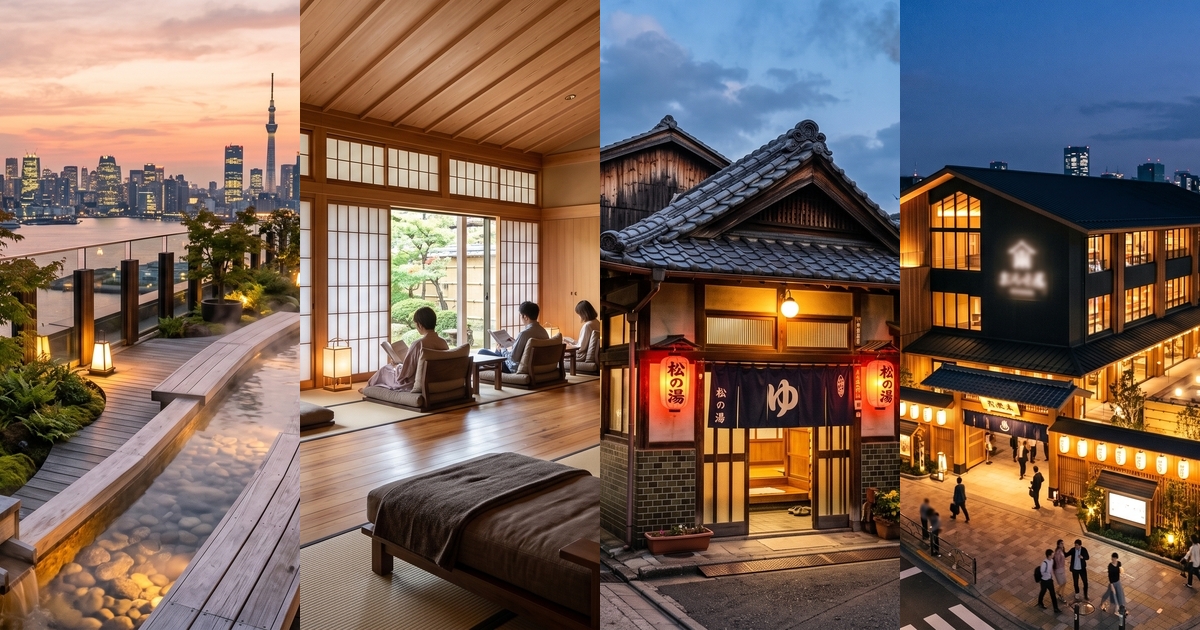
Tokyo has four genuinely different takes on the day-use onsen, and picking the wrong one for your trip means either overpaying for atmosphere you didn’t need or ending up somewhere too basic for what you wanted. Here’s how the four properties covered on this site actually compare, based on real visits to three of them.
Quick answer: want something lively and resort-style with real Hakone source water? Go with Tokyo Toyosu Manyo Club. Want a cheap, genuine slice of old Tokyo? Kamata Onsen. Read on for the full breakdown.
Comparison at a Glance
| Facility | Vibe | Water Source | Rough Price | Best For |
|---|---|---|---|---|
| Toyosu Manyo Club | Lively, resort-style | Transported from Hakone & Yugawara | Varies by time slot | Resort feel without leaving Tokyo, 24-hour access |
| Somei Onsen SAKURA | Calm, unhurried | Local deep-source chloride/iodine spring | Higher than a basic sento | Solo travelers, a relaxed half-day |
| Kamata Onsen | Old Tokyo, local sento | Local “black water” humic-acid spring | ¥600 adults | Budget, authentic local culture, near Haneda |
| Tennen Onsen Heiwajima | Modern entertainment complex | Deep-source (2,000m) sodium chloride spring | ¥2,000–¥2,300 | Late-night access, sauna culture |
1. Tokyo Toyosu Manyo Club — Best Overall / Most Resort-Like
What sets this one apart is the water itself: it’s genuinely sourced from Hakone and Yugawara, then transported into the city, rather than a Tokyo-local source. It sits inside the Toyosu Senkyaku Banrai market complex next to the Toyosu Fish Market, runs 24 hours, and has an early 5:00–9:00 morning bath window that’s useful for jet-lagged arrivals.
Pros: real Hakone/Yugawara water, 24-hour operation, easy to combine with a Toyosu Market visit.
Cons: livelier and more resort-like than a quiet neighborhood bath — not the pick if you want solitude.
Bottom line: the best bridge between a Tokyo stay and a Hakone trip. Read the full review.
2. Tokyo Somei Onsen SAKURA — Best for a Calm Half-Day
SAKURA draws from a source roughly 1,800 meters underground — a strong chloride spring containing iodine that comes up clear and turns amber in the baths. The property is built around real lounge and rest space, not just bathing, in the quiet Komagome/Sugamo area of Toshima ward.
Pros: genuinely relaxing, dedicated rest areas, English-speaking staff reported by visitors.
Cons: pricier than a basic sento, so it’s not the budget option.
Bottom line: the pick for solo travelers who want real downtime, not just a quick soak. Read the full review.
3. Kamata Onsen — Best Budget / Most Authentic
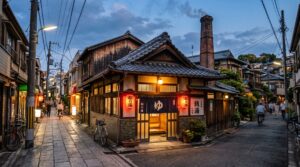
Kamata Onsen has been running on its original hot spring source since 1937, drawing on a natural “black water” spring colored by humic acid. Admission runs around ¥600 for adults, and you’re bathing alongside actual neighborhood regulars rather than tourists — this is a working sento first, an attraction second.
Pros: by far the cheapest option, genuine old-Tokyo character, convenient near Haneda Airport.
Cons: cash-only, basic facilities compared to the resort-style options.
Bottom line: the one to pick if you want a real, unpolished slice of local bathing culture. Read the full review.
4. Tennen Onsen Heiwajima — Best for Late Nights
Heiwajima draws on a deep natural source roughly 2,000 meters underground, producing a reported 150 tons of water a day. It sits inside the BIG FUN Heiwajima entertainment complex, alongside a cinema and arcade, and runs 24 hours a day with staff-led sauna sessions. Note: this listing is compiled from official sources and verified reviews rather than a first-hand visit.
Pros: deep genuine mineral source, 24-hour access, combinable with other entertainment.
Cons: geared more toward local visitors than international tourists, limited confirmed English support.
Bottom line: useful if your schedule needs a late-night or early-morning bathing option. Read the full review.
Which One Should You Visit?
- Want the most resort-like experience and a taste of Hakone water without leaving Tokyo? Toyosu Manyo Club.
- Traveling solo and want a genuinely relaxing few hours? Somei Onsen SAKURA.
- On a budget, or want real local culture near Haneda? Kamata Onsen.
- Need a late-night or 24-hour option, or want to pair it with a cinema/arcade visit? Tennen Onsen Heiwajima.
Frequently Asked Questions
Which Tokyo day-use onsen is cheapest?
Kamata Onsen, at around ¥600 for adults — considerably less than the resort-style options.
Which one uses water actually from Hakone?
Tokyo Toyosu Manyo Club is the only one of the four that transports genuine Hakone and Yugawara source water into Tokyo.
Are any of these open 24 hours?
Yes — both Toyosu Manyo Club and Tennen Onsen Heiwajima operate 24 hours a day.
Ready to book? Compare live rates and availability for Tokyo hotels on ZenHotels. As an affiliate, we may earn a commission on bookings made through this link, at no extra cost to you. Check current prices on ZenHotels →
More Tokyo Reviews
Final Thoughts
None of these four is objectively “best” — they’re solving different trips. If this is your only onsen stop before or after a Hakone trip, Toyosu Manyo Club makes the most thematic sense. If you want to understand what Tokyo bathing culture actually looked like before the resort-style facilities showed up, Kamata Onsen is the one to prioritize.

コメント