This post contains affiliate links. If you book through them, we may earn a small commission at no extra cost to you. Read our full Affiliate Disclosure.
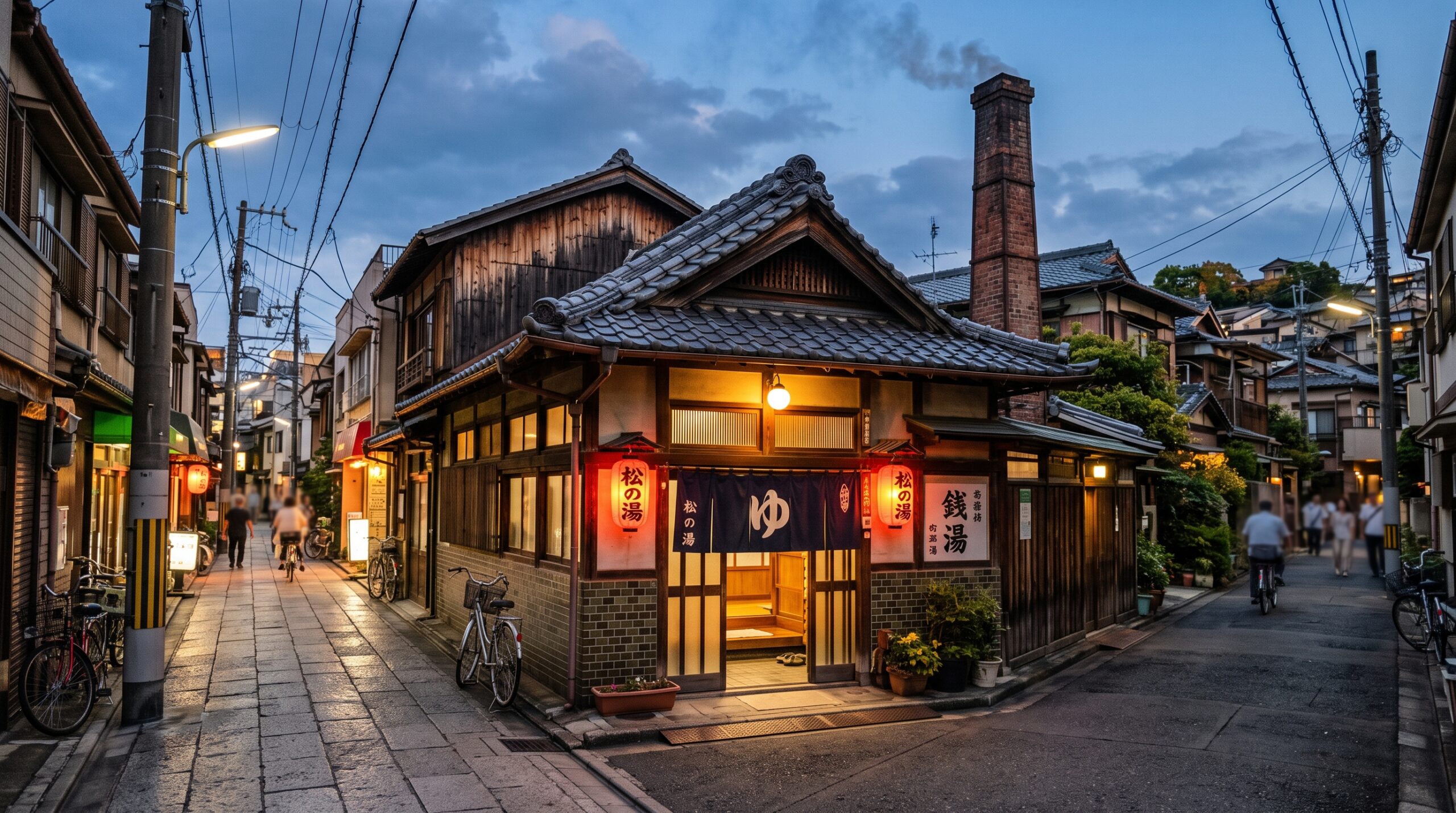
Kamata Onsen is the kind of place that makes you understand why “kuroyu” (black water) onsen have such a devoted following in Tokyo. The water quality here genuinely impressed me — this is a bathhouse with the atmosphere of an old-fashioned, neighborhood Tokyo onsen that’s been around for generations, and spending time here feels like getting a real taste of local Japanese culture rather than a tourist-oriented experience.
What Is “Black Water” Onsen?
Kamata Onsen draws on a natural hot spring known for its dark, almost coffee-black color, caused by humic acid dissolved in the water from ancient organic sediment deep underground. It’s sometimes called a “beauty bath” locally, and several visitors describe their skin feeling noticeably smoother and moisturized afterward. It looks unusual if you’ve never encountered it before, but it’s a completely natural and well-established characteristic of certain Tokyo-area onsen, particularly around the Ota ward area.
An Old Tokyo Institution
The facility dates back to 1937, making it a genuine piece of Tokyo bathing history rather than a modern re-creation. That history is part of what gives it its character — this isn’t a manufactured “traditional” experience, it’s simply an old, well-run neighborhood sento that happens to sit on a genuine hot spring source.
Facilities
Beyond the main black-water bath, there’s a sauna, and a second-floor dining area (Kamata Onsen Shokudo) serving simple meals. The facility also has baby-friendly amenities, including a free baby bath, which isn’t something you’ll find at every sento. Parking is limited to two spaces, so if you’re driving, it’s worth having a backup plan for parking nearby.
What to Expect Compared to a Resort Onsen
If the hotel and resort-style properties covered elsewhere on this site are your main frame of reference, it’s worth resetting expectations here. Kamata Onsen is a working neighborhood sento first and an attraction second — the facilities are simple and functional rather than polished, and that’s exactly the appeal. You’re bathing alongside actual local regulars, not fellow tourists, which is increasingly rare to find in central Tokyo.
Access
From Kamata Station’s east exit, take a local bus (routes 73, 74, or 75) to the Kamata-Honcho stop, or walk roughly 15 minutes. Its location also makes it relatively convenient if you’re near Haneda Airport and want a genuine local bathing experience without traveling far into central Tokyo.
Hours and Admission
Kamata Onsen is open 10:00 to 24:00, year-round with no regular closing day. As a rough guide, admission runs around ¥600 for adults (12 and up), ¥200 for elementary school children, and ¥100 for preschoolers, with an additional charge for the sauna and a “hand-free” package available that includes towel and basic amenities. Treat these as approximate, since day-use facility pricing can change. One practical note: bring cash, as card payment isn’t always reliably available at smaller Tokyo sento like this one.
International Recognition
Kamata Onsen has been featured in a number of English-language travel and culture publications covering Tokyo’s local bathhouse scene, and it’s listed on the Ota ward tourism association’s English-language site — a good sign that it’s genuinely accessible to visitors from overseas, even though it maintains its local, unpolished character.
Onsen Etiquette for International Visitors
As with any traditional Japanese bath, shower and rinse thoroughly before entering the shared water. Because this is a smaller, local-feeling facility rather than a large resort, it’s worth being especially mindful of quiet, considerate behavior — this is a place locals actually use as part of their daily routine.
Frequently Asked Questions
Is the black water safe, or is it dirty?
It’s completely natural — the color comes from dissolved humic acid, not contamination, and it’s a well-documented feature of certain Tokyo-area onsen sources.
Can I pay by credit card?
Don’t count on it. Bring cash to be safe.
Is this a good stop before or after a Haneda Airport flight?
Yes, its location in Ota ward makes it a reasonably convenient stop if you want a genuine onsen experience close to the airport rather than deep in central Tokyo.
Will I stand out as a foreign visitor at a local sento like this?
Possibly, since it’s genuinely used by neighborhood regulars, but that’s part of the appeal rather than something to worry about — Japanese bathhouse culture is generally welcoming as long as visitors follow basic etiquette.
Does the black water stain skin or swimwear?
No, it doesn’t leave any lasting mark on skin, and since traditional onsen bathing is done without swimwear, that’s not a concern for the main bath.
Ready to book? Compare live rates and availability for Tokyo hotels on ZenHotels. As an affiliate, we may earn a commission on bookings made through this link, at no extra cost to you. Check current prices on ZenHotels →
More Tokyo Reviews
- Best Tokyo Day-Use Onsen: 4 Options Compared, to see how this property stacks up against the other three
- Tokyo Toyosu Manyo Club, for a larger, more resort-style onsen experience with real Hakone source water
- Tokyo Somei Onsen SAKURA, for a calmer, more contemporary natural hot spring elsewhere in the city
A Small Piece of Living History
Tokyo has lost a significant number of its older neighborhood sento over the past few decades as land values rose and younger generations moved toward home bathing or modern super-sento chains. A facility like Kamata Onsen, still operating on its original hot spring source since the 1930s, represents something increasingly rare: a genuinely lived-in piece of the city’s bathing history that hasn’t been redesigned into a tourist attraction.
Who Kamata Onsen Is For
This is a great pick for travelers who want a genuine, unpolished slice of local Tokyo culture rather than a polished, tourist-oriented facility — especially if you’re near Haneda Airport or simply want to understand why Tokyo’s black-water onsen have such a loyal following.

コメント