This post contains affiliate links. If you book through them, we may earn a small commission at no extra cost to you. Read our full Affiliate Disclosure.
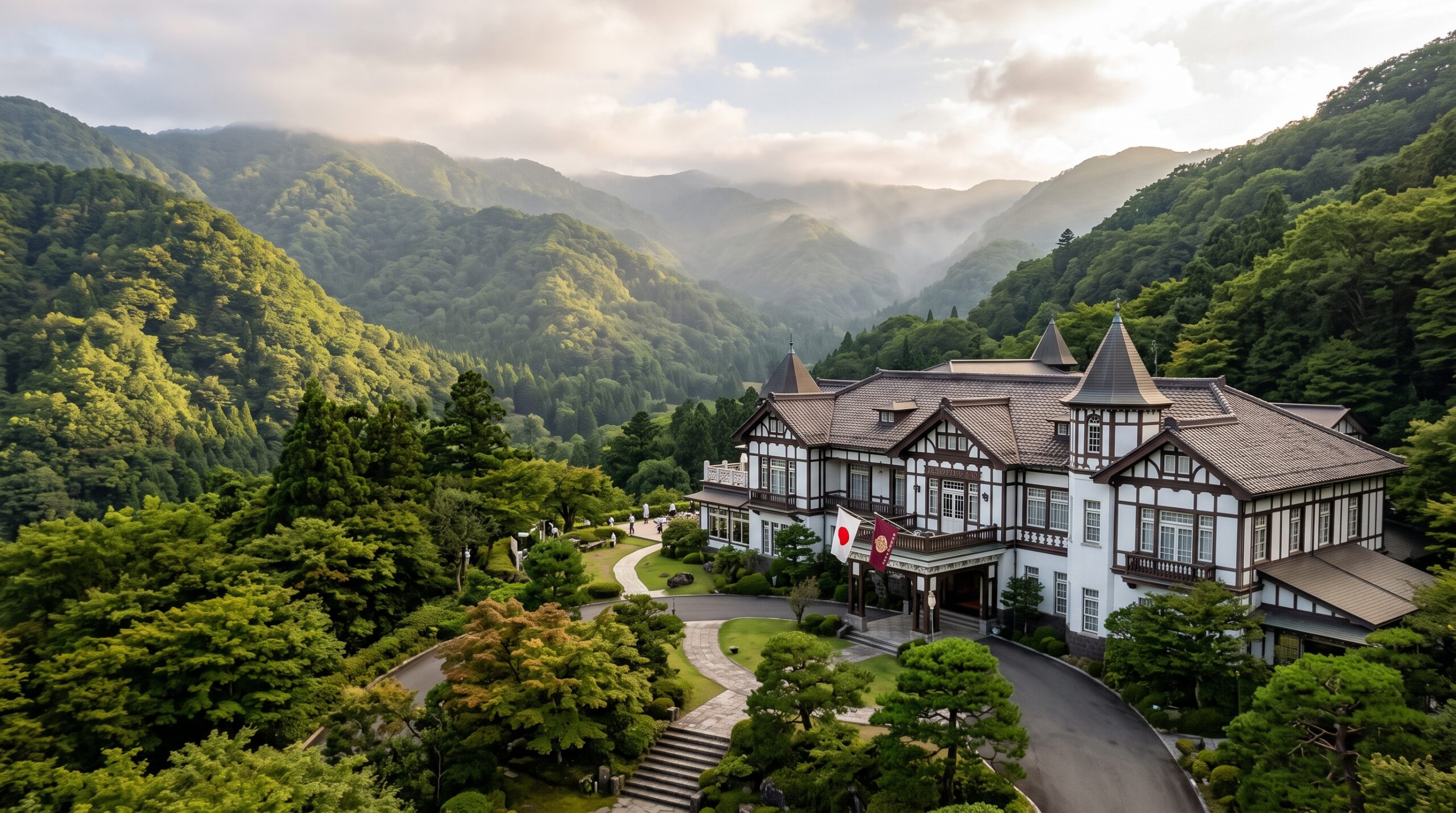
The first time I stepped into the lobby at Fujiya Hotel, it genuinely felt like walking into a different world — not just a different hotel, but a different era of Japan altogether, built with a kind of formality and grandeur you don’t come across very often anymore. That feeling has stuck with me. If you ask anyone who has worked in Hakone’s hotel industry which property they secretly wish they could work at, a surprising number will say the same name: Fujiya Hotel. It isn’t just the oldest Western-style resort hotel in the area — it’s the one that has hosted a long line of dignitaries, celebrities, and imperial guests, and the one whose staff carry themselves with a quiet, practiced pride that you notice within minutes of walking through the door. Having spent years working in Hakone’s hospitality industry myself, I can tell you that Fujiya Hotel occupies a different tier in the minds of people who work in this business, not just the people who stay there.
A Hotel Built Like a Small Village
Fujiya Hotel sits in Miyanoshita, one of Hakone’s most historic onsen towns, and it doesn’t feel like a single building so much as a small village of connected wings. The property is made up of four distinct buildings — the Main Building (Honkan), the West Building (Seiyokan), the Flower Palace (Hanagoten), and the Forest Wing — with a combined total of around 120 rooms. Each wing has its own character, from the creaking wooden hallways of the older sections to the more modern comforts of the Forest Wing, so the experience of staying here can vary quite a bit depending on which room type you book.
This is one of those details a lot of first-time visitors miss: booking “Fujiya Hotel” isn’t a single, uniform decision. If you want the classic, old-world Meiji-era atmosphere, you request the Main Building or West Building. If you’d rather have more contemporary amenities, the Forest Wing is the better call.
The Onsen
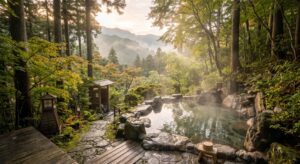
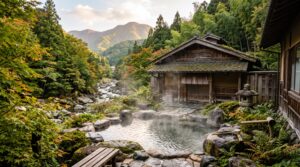
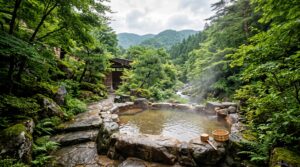
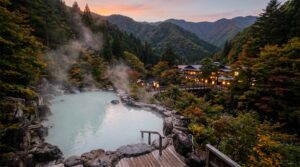
The hotel draws on the Miyanoshita hot spring, classified as a sodium chloride spring (mildly alkaline), and rooms and bathing facilities throughout the property make use of it. There are both indoor and outdoor pools fed by the hotel’s own source, which is unusual among Hakone properties of this size and adds a resort feel that’s distinct from the more traditional ryokan experience nearby. If you want a more private soak, the historic Kikkaso building (a former imperial villa on the grounds, now a registered tangible cultural property) has a reservable private cypress bath using the same 100% natural source water. If you’re coming from overseas and picturing tiny, intimate baths, know that Fujiya Hotel’s onsen facilities lean more toward “grand hotel spa” than “quiet mountain ryokan” — which is part of its appeal, but worth knowing in advance if you’re set on the latter.
Why Hotel Staff Look Up to This Place
This is the part I can speak to more directly than a typical travel writer. Working in the Hakone hospitality scene, Fujiya Hotel has a reputation among staff, not just guests. It’s the property people point to when they talk about what old-fashioned, unhurried Japanese-Western hospitality is supposed to look like. Part of that comes from its history of hosting well-known guests over the decades, but a bigger part of it, from what I’ve seen, is the culture inside the building: service that isn’t rushed, staff who have often been there for years, and an attention to small details that’s hard to manufacture quickly. If you work in hospitality yourself and are visiting Hakone, this is genuinely one of the more educational places to have a meal or a drink, even if you’re not staying overnight — watching how the staff move is worth the trip on its own.
A Brief History
Fujiya Hotel opened in 1878, and it’s often cited as one of the oldest Western-style resort hotels in Japan. Over the decades it has hosted a long line of dignitaries, diplomats, and celebrities, which is part of why it carries the kind of institutional weight that’s hard to fake. Walking through the older wings, you can feel that history in the architecture itself — the wood, the proportions, the small design flourishes that clearly weren’t built to a modern budget-hotel template.
Dining at Fujiya Hotel
The hotel operates several dining venues spanning both Western and Japanese cuisine, reflecting its long history as a pioneer of Western-style hospitality in Japan. If you’re staying overnight, it’s worth checking which dining plan is included with your room rate, since options range from breakfast-only to full half-board with dinner.
Nearby in Miyanoshita
Miyanoshita itself is a small, walkable onsen town worth exploring beyond the hotel grounds. The Hakone Museum of Art, known for its moss garden, is a short trip away, and the town’s small shopping street has a handful of long-running shops selling local crafts and snacks. If you have an extra hour before or after your stay, it’s worth wandering rather than heading straight back to the station.
Onsen Etiquette for International Visitors
If this is your first time at a Japanese onsen-style hotel, a few basics are worth knowing: you wash and rinse thoroughly at the shower stations before entering any shared bath, swimsuits are generally not worn in traditional bathing areas (though pool areas are different), and policies on visible tattoos vary by property. It’s worth confirming Fujiya Hotel’s current tattoo policy directly with the hotel before your stay if this applies to you, since policies can change.
Access
Fujiya Hotel is a short walk — about 7 minutes — from Miyanoshita Station on the Hakone Tozan Railway, which makes it an easy stop if you’re doing the classic Hakone loop by train and bus. If you’re driving, it’s roughly 20 minutes from the Odawara-Hakone exit of the Odawara-Atsugi Road.
Price and Booking
Rates vary significantly by season, room type, and whether you book a room-only rate or a stay with the hotel’s kaiseki-style dinner included. As a rough guide, expect rates to start somewhere in the higher end of Hakone’s hotel market and climb steeply during peak seasons — cherry blossom season in spring and the autumn foliage weeks in November are the two times of year when Hakone properties in general, and a marquee name like Fujiya Hotel especially, book out fastest. If you’re planning a trip around either of those windows, I’d recommend locking in your dates at least two to three months out. The hotel is listed on major booking platforms including Booking.com, Expedia, and Hotels.com, so it’s easy to compare room types and cancellation policies before committing. One thing worth double-checking: there is a separate, unrelated property called “Yumoto Fujiya Hotel” in Hakone-Yumoto — don’t mix the two up when you’re booking.
Ready to book? Compare live rates and availability for Hakone hotels on ZenHotels. As an affiliate, we may earn a commission on bookings made through this link, at no extra cost to you. Check current prices on ZenHotels →
More Hakone Reviews
- Best Hakone Ryokan for Private Open-Air Onsen Baths, comparing this property with two other private-bath options
- Gora Kadan, another of Hakone’s classic high-end ryokan, if you want to compare notes on luxury properties
- Hakone Yunohana Prince Hotel, for a completely different, mineral-rich onsen experience at Hakone’s highest elevation
Who Fujiya Hotel Is For
This isn’t the place for travelers chasing the most rustic, traditional ryokan experience — for that, you’ll want a smaller property deeper in the mountains. Fujiya Hotel is for people who want a genuinely historic hotel with hot spring bathing built in, a level of service that’s been refined over more than a century, and a location that puts you within easy reach of the rest of Hakone. It’s also simply a fascinating building to walk around, whether or not you’re staying the night.

コメント